How many times does the word "Palestine" appear in the Bible?
While the word "Palestine" does not appear in the Bible in its current form, there are several passages that refer to a region known as "Philistia."
The word "Palestine" is a term that has been used throughout history to refer to the region that is now Israel and the Palestinian territories. It is often associated with the ancient land of Canaan, which is mentioned frequently in the Bible. But how many times does the word "Palestine" actually appear in the Bible?
The answer is somewhat complicated. While the word "Palestine" does not appear in the Bible in its current form, there are several passages that refer to a region known as "Philistia." Philistia was a coastal region located in what is now southern Israel and the Gaza Strip, and was home to a people known as the Philistines.
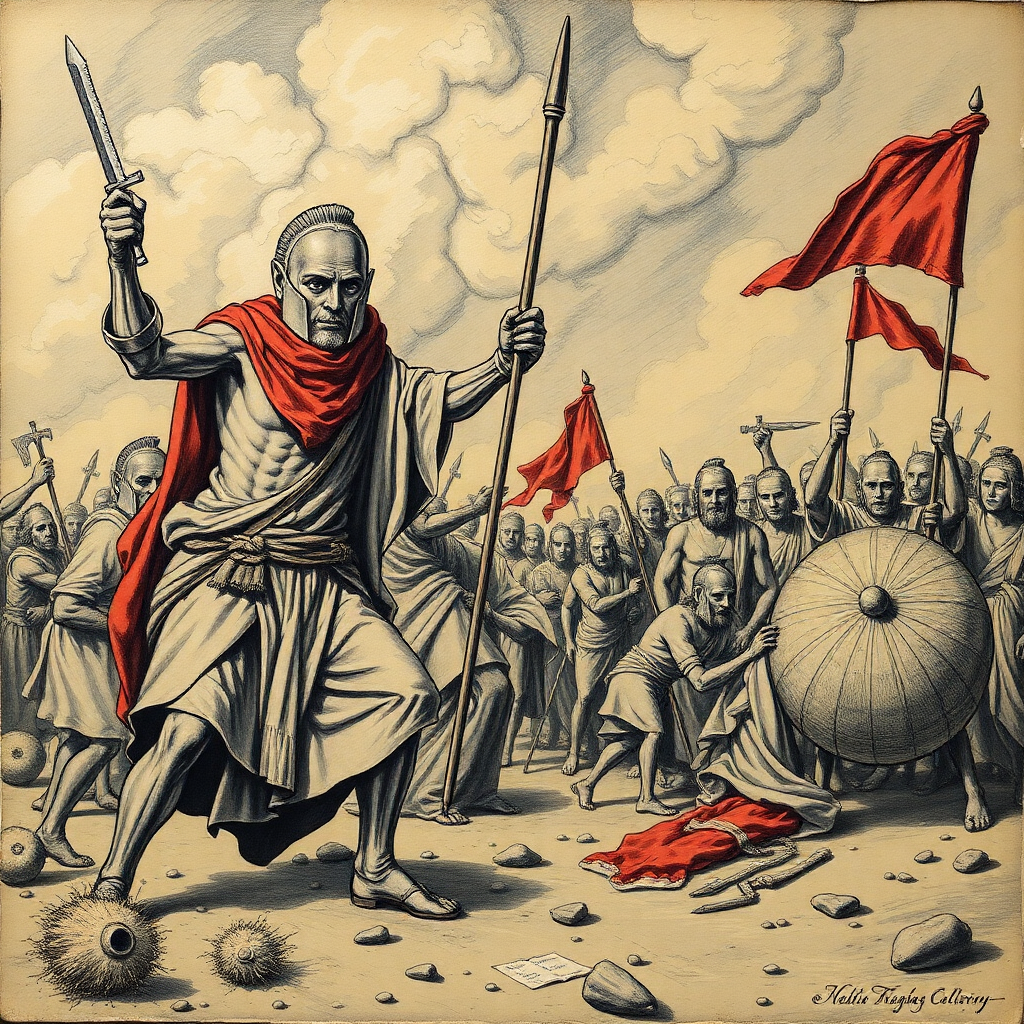
The word "Philistia" appears several times in the Old Testament, primarily in the books of Isaiah, Jeremiah, and Ezekiel. In these passages, Philistia is often portrayed as an enemy of the Israelites, and is associated with violence and destruction.
While the word "Palestine" does not appear in the Bible, it is worth noting that the name "Palestine" itself has a long and complicated history. The name is derived from the Greek word "Palaestina," which was used by the ancient Greeks to refer to the region that is now Israel and the Palestinian territories.
The name "Palestine" was later adopted by the Romans, who used it to refer to the region after they conquered it in the 2nd century AD. However, the name was not widely used until the 20th century, when it became associated with the Zionist movement and the conflict between Jews and Arabs in the region.
The story of the land commonly called Palestine is deeply intertwined with the development of civilization in the Middle East. The region has witnessed countless migrations, invasions, and cultural exchanges over thousands of years.
From the ancient Canaanites to the Egyptians, Assyrians, Babylonians, Persians, Greeks, and Romans, many empires have left their mark on this land. Each new arrival contributed to the region’s rich and often tumultuous history, shaping its identity in ways that are still felt today.
The Philistines, for instance, were not native to the area but are believed to have arrived from the Aegean region around the 12th century BCE. They established a confederation of city-states along the coastal plain, including Gaza, Ashdod, Ashkelon, Ekron, and Gath.
These cities became centers of trade and military power, often clashing with their Israelite neighbors. The Bible recounts many of these conflicts, painting the Philistines as fierce adversaries. The legendary battle between David and Goliath is just one example of the enduring stories that emerged from these encounters.
Despite the Philistines’ prominence in biblical narratives, their influence waned over time. The rise of the Neo-Assyrian Empire in the 8th century BCE brought an end to their independence, as the Assyrians conquered the coastal cities and integrated them into their vast empire. Later, the Babylonians and Persians would control the region, followed by the Greeks under Alexander the Great and then the Romans. With each new ruler, the land’s boundaries, names, and political affiliations shifted, reflecting the changing tides of history.
When the Romans took control of the area, they sought to suppress Jewish identity and rebellion by renaming the province “Syria Palaestina” after crushing the Bar Kokhba revolt in 135 AD. This was a calculated move intended to erase Jewish ties to the land by invoking the ancient enemy, the Philistines, whose memory still lingered in historical consciousness. Over time, “Palaestina” became the commonly used term in Western and later Islamic sources to describe the region, even as the population and cultural landscape continued to evolve.
Throughout the Middle Ages and into the Ottoman period, the name “Palestine” persisted in various forms, sometimes used to describe a specific geographic area and other times as a general reference for the southern Levant. Travelers, geographers, and historians from Europe and the Arab world alike used the term, though its boundaries were often vague and subject to interpretation. It was not until the late 19th and early 20th centuries that “Palestine” gained more defined political meaning, especially as European powers became increasingly involved in the region’s affairs.
The late Ottoman era saw the rise of nationalist movements among both Jews and Arabs. As Jewish immigration increased and the Zionist movement gained momentum, the term “Palestine” became more closely associated with the land envisioned for a future Jewish homeland as well as the Arab communities who lived there. Following World War I and the dissolution of the Ottoman Empire, the British Mandate for Palestine was established, further cementing the usage of the name in international diplomacy and legal documents.
This period saw dramatic changes for the people living in the region. The British Mandate brought new administrative structures, demographic shifts, and growing tensions between Jewish and Arab communities. The legacy of these changes continues to shape the modern Israeli-Palestinian conflict, as questions of identity, territory, and historical claims remain deeply contested.
Looking back, the use of the word “Palestine” and its absence from the Bible highlight the complexities of naming and historical memory. Names are powerful symbols that reflect broader struggles over land, identity, and belonging. While “Palestine” may not be found in the biblical text, the region it describes has been at the center of religious, cultural, and political developments for millennia. The history of the name itself serves as a reminder of the ways in which the past is constantly reinterpreted and repurposed to serve the needs and aspirations of different peoples across time.
Even today, the word “Palestine” continues to evoke strong emotions and debates about history and justice. Its meaning has changed over the centuries, shaped by the ebb and flow of empires, the rise and fall of cities, and the dreams of countless generations who have called this land home. As the story of the region unfolds, the significance of its names—ancient and modern—remains an essential part of understanding the ongoing narrative of the Middle East.
Reflecting on the Power of Names and the Story of Palestine
Reading about the history of the word "Palestine" and its complex journey through time has made me realize just how powerful names can be. The land now called Israel and the Palestinian territories is a place that has been shaped by so many different peoples, empires, and cultures. Each wave of history has left its mark, not just on the landscape, but on the very words we use to describe it.
I was struck by the fact that the word "Palestine" does not actually appear in the Bible, even though the region itself is so central to biblical stories. Instead, the Bible refers to "Philistia" and the Philistines, ancient adversaries of the Israelites.
Over centuries, as new rulers and cultures took over the land, they brought new names and new meanings. The Greeks called it "Palaestina," and later the Romans used the name to erase Jewish identity after crushing a revolt. It’s incredible to think that a single word can carry so much historical baggage and political intent.
As I reflect on this, I realize how much names can influence the way we see a place or a people. A name is not just a label—it’s a story, a claim, sometimes a tool of power. For the people living in this region across the centuries, the changing names reflected shifting realities: who was in control, whose stories were told, and whose were forgotten. Even today, "Palestine" remains a deeply charged word, wrapped up in questions of identity, justice, and belonging.
This makes me think about the ongoing conflict in the region. The disputes over land, history, and national identity are about so much more than physical territory. They are about whose version of the past is remembered and whose is sidelined. The story of the name "Palestine" is a reminder that history is not fixed. It is constantly being reinterpreted, repurposed, and sometimes weaponized. The meanings of names can shift depending on who is speaking and what they hope to achieve.
I also find it moving to consider how deeply people care about the names of the places they call home. For generations, families have lived, worked, and dreamed in this land, regardless of what it was called by outsiders or rulers. Names may come and go, but the attachment to the land remains. At its heart, the debate over "Palestine" is also a debate about memory, roots, and the right to belong.
Learning about the history behind the name "Palestine" has deepened my appreciation for the complexity of the Middle East. It has reminded me that behind every headline and political debate are centuries of stories, each with its own perspective.