How many archons are there in Gnosticism?
In some early Gnostic writings, it is suggested that there are twelve archons, each associated with a specific celestial body and serving as rulers over the material realms.
With its roots intertwined in various religious, philosophical, and mystical traditions, Gnosticism presents a unique cosmology that includes a range of supernatural beings, including the enigmatic archons. But how many archons exist in this framework, and what roles do they play? This post will explore the concept of archons within Gnostic texts and beliefs, shedding light on their significance and how they fit into the larger Gnostic worldview.
Understanding the Nature of Archons
In Gnostic mythology, archons are often described as powerful, demiurgical beings that serve as guardians or rulers of the material world. The term "archon," which derives from the Greek word for "ruler" or "lord," implies authority and governance. Unlike benevolent deities found in many other religious systems, archons are typically viewed in Gnosticism as obstacles to spiritual enlightenment. They are associated with ignorance and materiality, firmly tied to the flawed creation of the demiurge, a misguided god who shapes the material world.
The Number of Archons
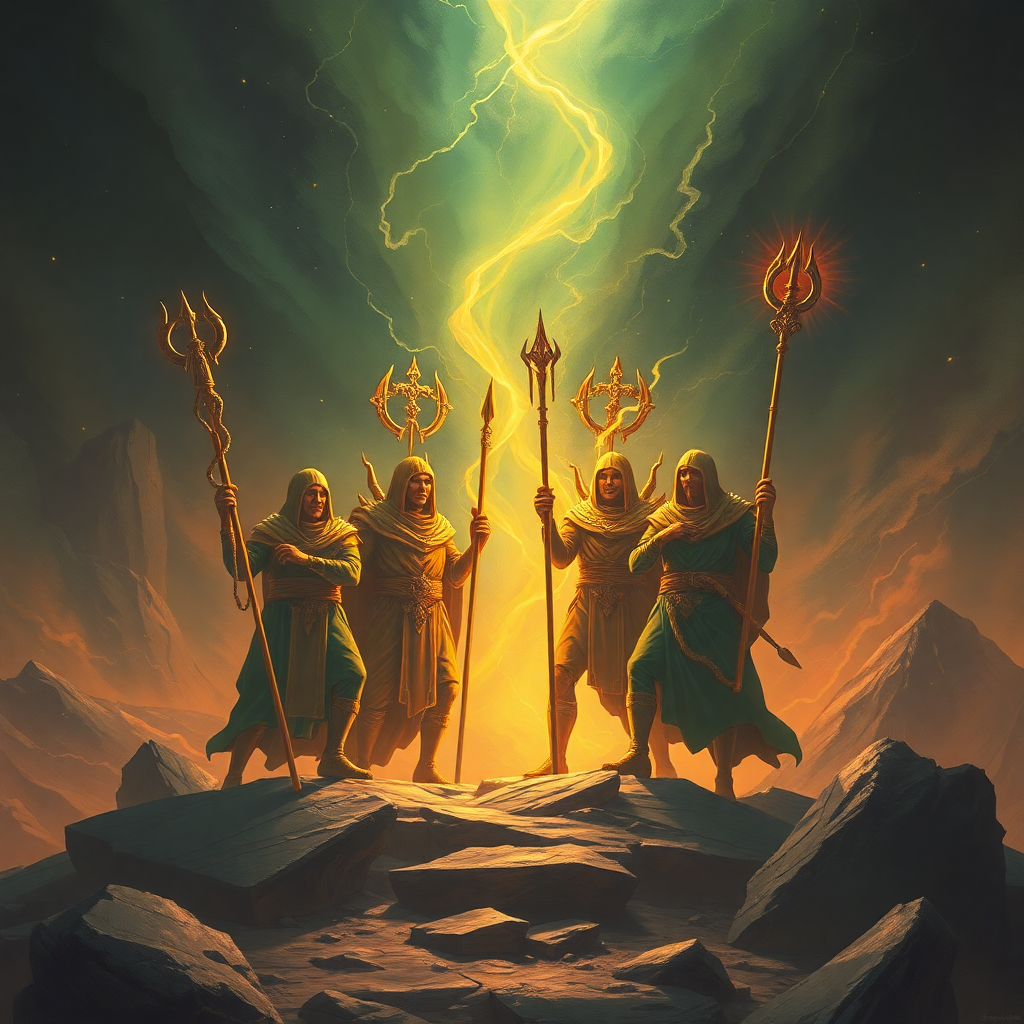
While various Gnostic texts feature references to archons, there is no universal consensus on their exact number, leading to varying interpretations and descriptions across different Gnostic sects. In some early Gnostic writings, it is suggested that there are twelve archons, each associated with a specific celestial body and serving as rulers over the material realms. This cosmology may align with the twelve signs of the zodiac or planets known in antiquity, reflecting a structure in which archons influence human fate and experience.
Other texts, such as the Hypostasis of the Archons found in the Nag Hammadi library, present a more elaborate account of the archons. This document identifies multiple archons, often detailing their specific roles and characteristics, while also hinting at their fallibility and the potential for redemption through gnosis—a direct, mystical understanding of divine truths.
The Roles of Archons
The primary role of archons within Gnostic thought is to keep souls trapped in the cycle of ignorance and material existence. They serve to challenge the ascent of the spirit toward the divine fullness or Pleroma, where the true God resides. Within this framework, each archon might embody particular vices or illusions, pulling humanity away from self-knowledge and ultimate truth.
In various narratives, archons are depicted as actively preventing the soul’s journey toward enlightenment. They entice individuals with the pleasures and distractions of the physical world, reinforcing the idea that material existence is inherently flawed. By exploring the nature of these entities, Gnostics sought to understand the spiritual struggles people face and find pathways to transcend these limitations.
Prayer for Spiritual Enlightenment and Freedom
Divine Source of Truth,
In a world filled with illusions and distractions, I seek Your wisdom and guidance. As I learn about the archons and the obstacles they represent, open my mind to greater understanding and my heart to the light of spiritual truth.
Grant me strength to recognize the vices and falsehoods that keep me bound to ignorance and material concerns. Help me to rise above these limitations and to pursue knowledge that leads to freedom, self-awareness, and union with the Divine.
May I be mindful of the inner and outer forces that resist my journey toward enlightenment. Fill me with discernment, so I may not be led astray by that which is fleeting, but instead fix my gaze on what is eternal and true.
Guide me through the struggles and temptations of this world. Let every challenge be an opportunity for growth and a deeper connection to the fullness of Your presence.
In seeking gnosis, may I find not only knowledge, but also compassion, peace, and the courage to share light with others who are seeking the same liberation. Amen.
Seeking Light Beyond Illusion: A Reflection on the Archons in Gnostic Thought
Exploring the Gnostic concept of archons has made me reflect on the spiritual challenges that feel ever-present in daily life. The idea that there are forces—whether literal or symbolic—that keep us focused on material concerns and away from spiritual truth resonates with my own experience. Sometimes, it seems as if there are invisible barriers holding me back from deeper understanding or genuine self-knowledge.
Reading about the archons as rulers of the material world, I’m reminded of the many distractions, temptations, and false narratives that can cloud my perception. Whether it’s the pursuit of success, comfort, or the constant noise of the world, I often find myself pulled away from what truly matters. In Gnostic thought, these archonic forces aren’t just external—they represent the inner obstacles and vices that keep me from seeing beyond the surface of things.
What inspires me about the Gnostic perspective is the belief that, despite these obstacles, spiritual enlightenment is possible. The path is not easy; it requires discernment, courage, and a willingness to question inherited assumptions about reality. The promise of gnosis—the direct experience of divine truth—encourages me to keep seeking, to look past illusions, and to trust that deeper wisdom does exist beyond the confines of the ordinary world.
Ultimately, reflecting on the archons challenges me to be more aware of the ways I might unknowingly remain trapped by ignorance or material concerns. It calls me to cultivate inner freedom, to strive for knowledge and compassion, and to remain open to the light that can guide me—and others—out of darkness and into greater understanding.
FAQ: The Archons in Gnostic Belief
1. What are archons in Gnosticism?
Archons are supernatural beings commonly described as rulers or guardians of the material world in Gnostic cosmology. The term "archon" comes from the Greek word for "ruler" or "lord." They are seen as powerful entities that govern aspects of the physical realm and are usually viewed as obstacles to spiritual enlightenment.
2. How many archons are there according to Gnostic texts?
There is no single answer. Some Gnostic texts mention twelve archons, often associating them with celestial bodies like planets or zodiac signs. Other writings, such as the Hypostasis of the Archons, reference multiple archons without specifying a fixed number.
3. What roles do the archons play in Gnostic mythology?
Archons act as gatekeepers that keep souls trapped in the cycle of material existence and ignorance. They challenge the soul’s journey toward spiritual enlightenment and often embody vices or illusions that distract people from discovering divine truth.
4. Are archons considered evil in Gnosticism?
Archons are not necessarily "evil" in the conventional sense, but they are viewed as ignorant or misguided beings who perpetuate the flawed material world. Their actions hinder spiritual growth and keep souls from reaching the divine fullness (Pleroma).
5. What is the relationship between archons and the demiurge?
The demiurge is viewed as the chief creator of the material world in Gnostic belief. Archons are often seen as his servants or assistants, helping to maintain the structures and illusions of physical reality.
6. Do all Gnostic sects agree on the nature and number of archons?
No, different Gnostic sects and texts offer varying accounts of the archons, their characteristics, and their numbers. Interpretations can differ widely, reflecting the diversity within Gnostic tradition.
7. Can souls overcome the influence of the archons?
Yes. Gnosticism teaches that through gnosis—a direct, mystical knowledge of divine truth—souls can transcend the influence of the archons and return to the spiritual realm of the true God.
8. Why are archons important in Gnostic teachings?
Understanding archons helps explain the obstacles to spiritual enlightenment faced by humanity. The concept provides a framework for interpreting the struggle between material existence and the quest for divine truth.